01
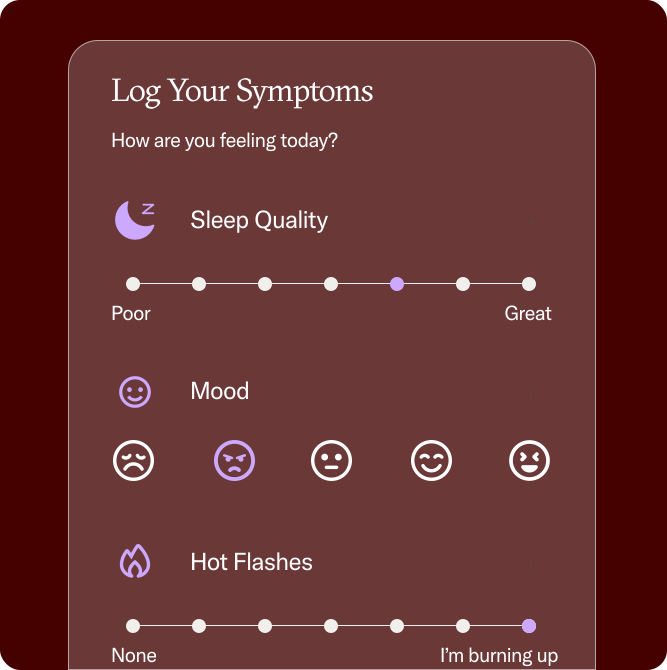
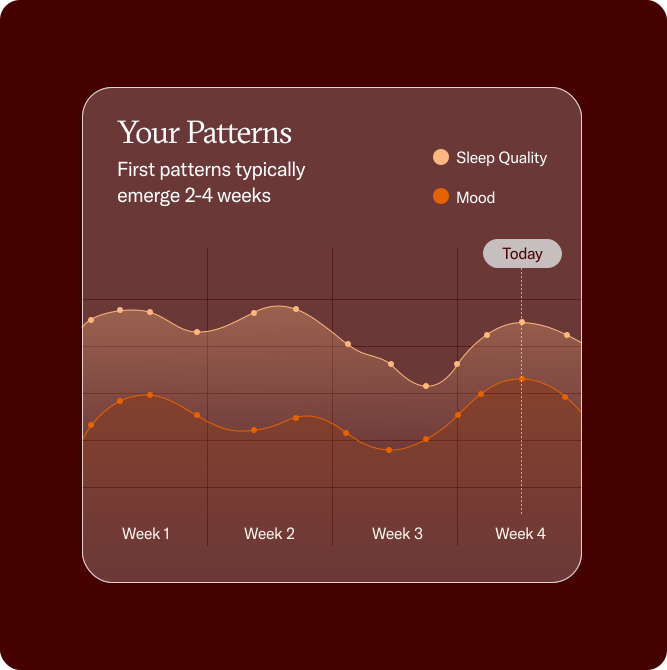
See all your unique health information — from wearable data, medical and lab records, and symptoms — in one place.


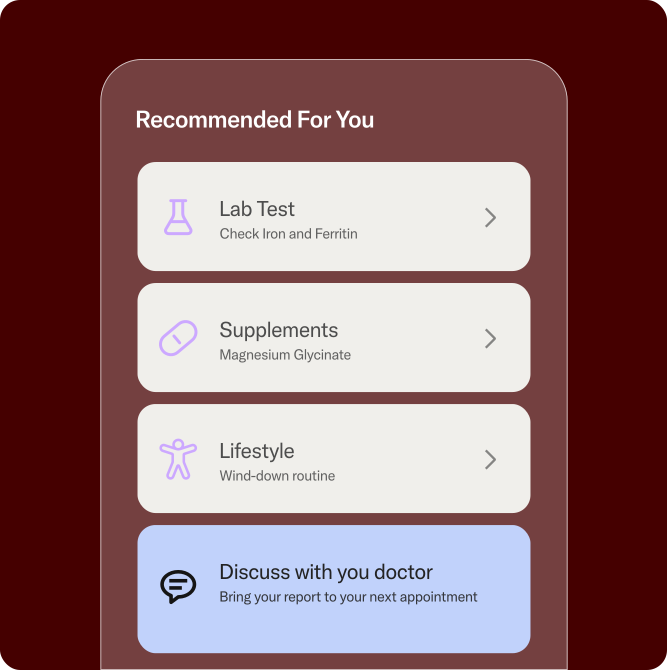
Hot flashes, night sweats, weight gain, or sleep that’s out of sync? MyPattern analyzes your symptoms against your labs, wearables, and medical history, so you know what's driving them and what to discuss with your clinician.
01


02
Hot Flashes
Here’s what’s changed
+31%
vs last month
Here’s what you can do next
03
How It Works
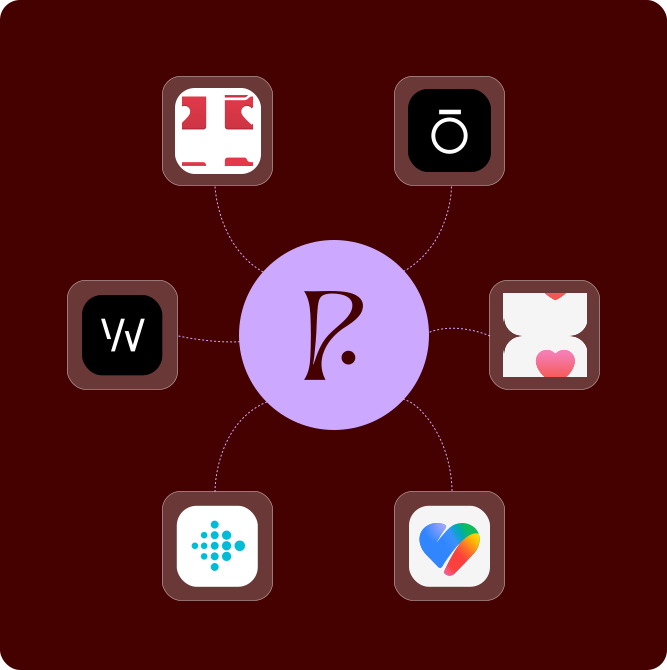
Bring your health data together from the apps, wearables you already use.
Menopause occurs when a woman has gone 12 consecutive months without a menstrual period, indicating her ovaries have stopped producing reproductive hormones. On average, menopause happens at age 52 but it can happen before age 40. For a formal menopause diagnosis, consult a licensed clinician.
Yes. Hormonal fluctuations can influence how the brain functions, which can affect mood, mental clarity, focus, and memory. During perimenopause and menopause, many women experience symptoms like brain fog, irritability, anxiety, or forgetfulness when hormone levels shift. The good news is that these shifts are usually manageable. By understanding your hormone patterns and overall health, you can identify what’s contributing to your symptoms and work with your clinician to determine the right course of treatment.
Absolutely. MyPattern members can come to us for a better understanding of their hormone levels and whether they’re optimized for their symptoms and goals — not just if their labs fall inside a reference range. MyPattern tracks your treatment over time and correlates changes in labs and symptoms to help you and your clinician fine-tune your protocol.
Vaginal dryness happens when the tissues of the vagina do not produce enough moisture, causing irritation, itching, soreness, and other symptoms. Although vaginal dryness is commonly associated with perimenopause and menopause, it can happen at any age.
The most common cause of persistent vaginal dryness is a drop in estrogen during menopause. This can cause the vaginal lining to thin out, blood flow to decrease, and the vaginal tissues to produce less moisture. More than 15% of women experience vaginal dryness before menopause while more than half experience it after menopause.